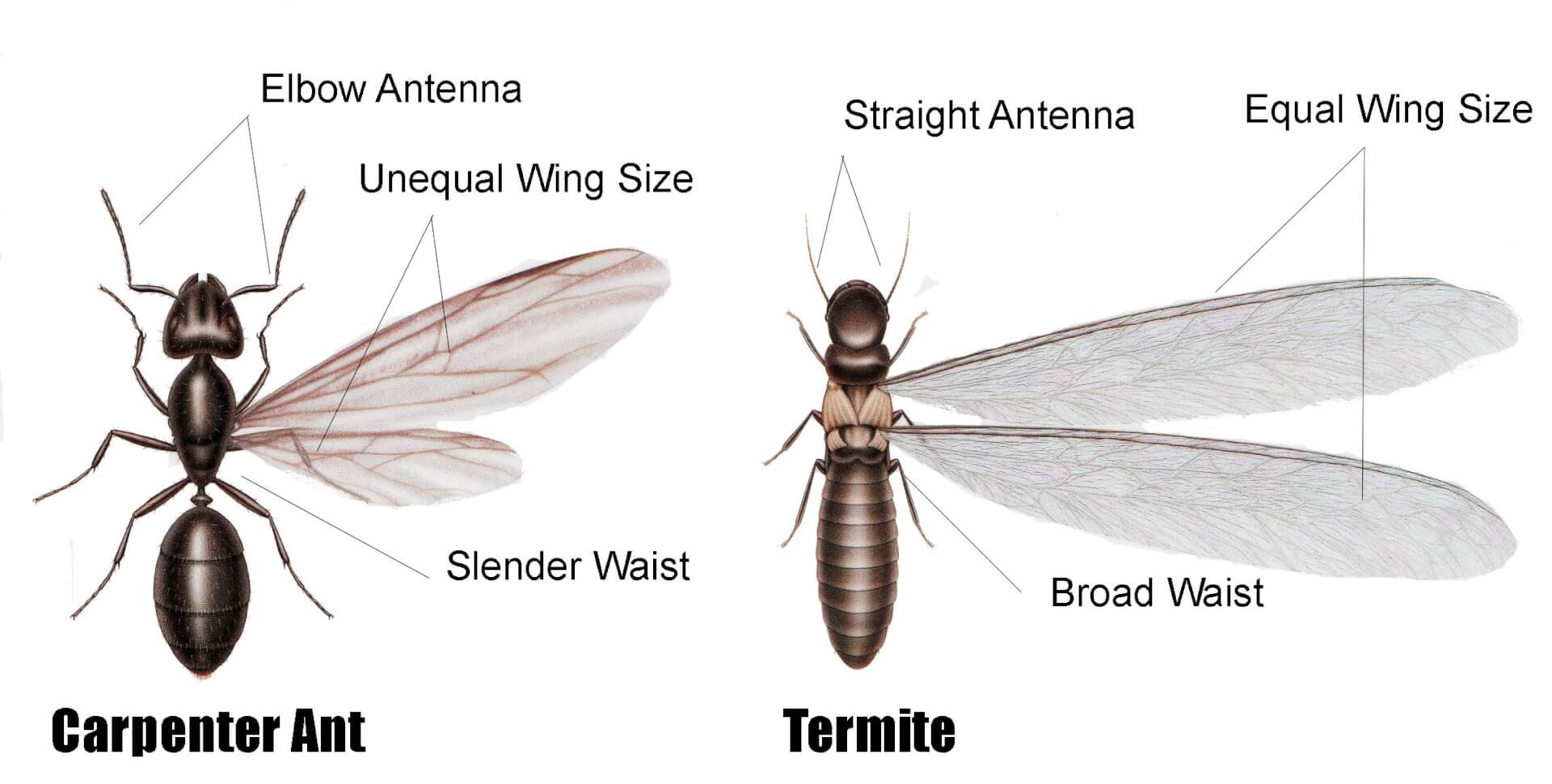
Termites are among the most destructive pests that can silently damage your home. Known as “silent destroyers,” they feed on wood and other cellulose-based materials, often going unnoticed until significant structural damage has occurred. Understanding termite behavior and taking preventive measures is essential to protect your property and save thousands in repairs.
Recognize the Signs of Termite Infestation
Early detection is critical in managing termite problems. Some common signs include hollow-sounding wood, tiny holes in wooden structures, and discarded wings near windowsills or doors. Mud tubes along walls or foundations also indicate termite activity. Regular inspections of wooden furniture, flooring, and home structures can help identify infestations before they escalate.
Eliminate Moisture and Food Sources
Termites thrive in moist environments. Fix leaking pipes, maintain proper drainage around your home, and ensure crawl spaces are dry. Reducing moisture levels can make your home less attractive to termites. Additionally, remove any wood debris, firewood, or cardboard stored near your house, as these can serve as easy food sources for termites.
Protect Your Home with Preventive Treatments
Preventive termite treatments can significantly reduce the risk of infestation. Termite barriers, soil treatments, and wood preservatives act as protective measures against these pests. Homeowners can also use termite baits strategically around the property. For larger infestations or preventive setups, hiring professional pest control services is the safest approach. Experts have access to advanced treatments and monitoring systems to keep termites at bay.
Regular Monitoring and Maintenance
Even after preventive treatments, regular monitoring is essential. Schedule yearly inspections, particularly in vulnerable areas such as basements, attics, and wooden structures. Promptly address any signs of damage or pest activity. Early intervention can save your home from costly repairs and structural problems.
Conclusion
Termites may be small, but their impact can be devastating. By being vigilant, reducing moisture, and implementing preventive treatments, homeowners can protect their property and ensure long-term safety. Investing time and resources in termite control today will prevent major headaches in the future.